The investment philosophy of Gujarat has always been anchored by tangible security. For generations, the blueprint for preserving wealth relied on a familiar trifecta: accumulating gold, securing land, and fueling the literal and figurative engines of commerce.
However, as we progress through 2026, the macroeconomic landscape demands a strategy shift. The rising costs of fossil fuels and the passive nature of traditional commodities are prompting a modern realization: true wealth must be active, sustainable, and productive. At Samved Group, our vision has always been to shape future-ready communities. From this perspective, the path forward involves systematically reducing our reliance on petrol and diesel, moving away from idle gold, and channeling capital into spaces that build a lasting legacy.
1. Fueling Communities, Not Tanks: Designing for Reduced Mobility Costs
The economic drain of petrol and diesel consumption goes beyond individual household budgets; it impacts urban well-being and corporate efficiency. The modern homebuyer and investor are no longer just looking at square footage; they are evaluating the “commute footprint” of a property.
To actively curb fuel dependencies, real estate development must evolve from offering simple brick-and-mortar structures to designing integrated ecosystems:
Strategic Proximity and Connectivity:By centering developments in highly connected hubs—such as Kudasan and Sargasan in Gandhinagar, with close proximity to GIFT City and the Red Metro Line corridor—we drastically reduce the need for long, fuel-heavy daily commutes.
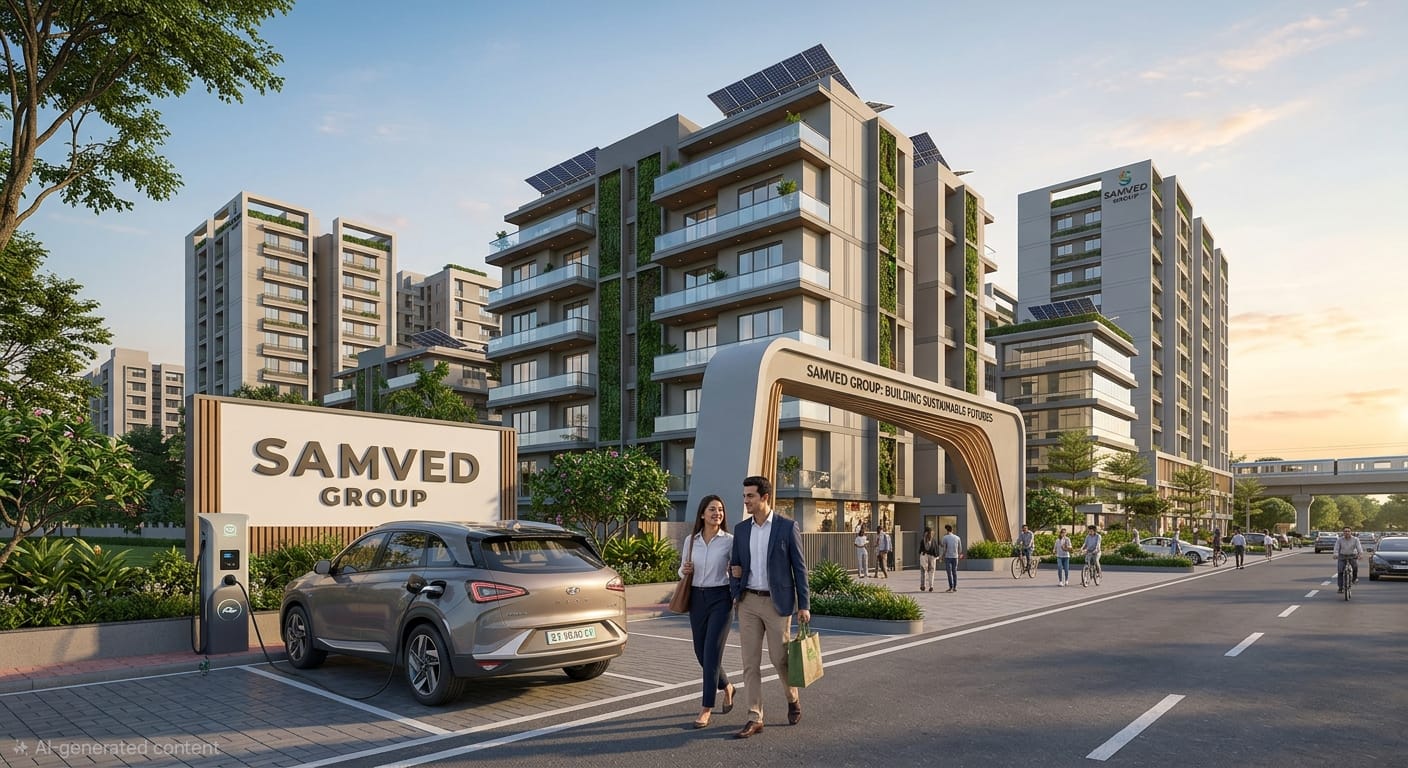
EV-Ready Infrastructure:The transition to Electric Vehicles (EVs) is no longer a futuristic concept. Integrating robust, dedicated EV-charging infrastructure into residential layouts allows residents to completely bypass the fuel pump.
Pedestrian-Centric Master Planning:True luxury involves step-out convenience. Designing projects with dedicated pedestrian-friendly zones and keeping commercial necessities within walking distance minimizes short-distance vehicle usage.
When we reduce personal fuel consumption, the capital saved doesn’t just lower carbon footprints—it directly improves disposable income, which can be redirected toward high-yielding, appreciating assets.
2. From Idle Vaults to Productive Assets: Rethinking the Allure of Gold
In Gujarat, gold holds an undeniable emotional and cultural value. It acts as a reliable inflation hedge, yet fundamentally remains an idle asset. It sits in locker vaults, generates no monthly yield, creates no local jobs, and fails to actively contribute to the economic momentum of our immediate community.
For forward-thinking investors looking at multi-generational growth, modern real estate provides a significantly higher utility and compounding capability.
3.The Grand Blueprint: Strengthening Gujarat’s Economic Framework
As developers, our responsibility extends beyond individual projects; we must consider the broader fiscal health of our state and country. India’s import challenges are heavily driven by two primary commodities: crude oil and gold.
When Gujarati families and businesses collectively decide to optimize their fuel consumption and moderate their gold accumulation, they are making a patriotic economic decision. They help reduce the nation’s import reliance, fortify the rupee, and free up vital institutional capital.
When that capital is instead anchored locally in real estate, it directly funds the creation of regional infrastructure. It creates employment across hundreds of allied industries, boosts municipal development, and directly builds the skyline of a progressive, self-reliant Gujarat.
Conclusion: Building for Tomorrow
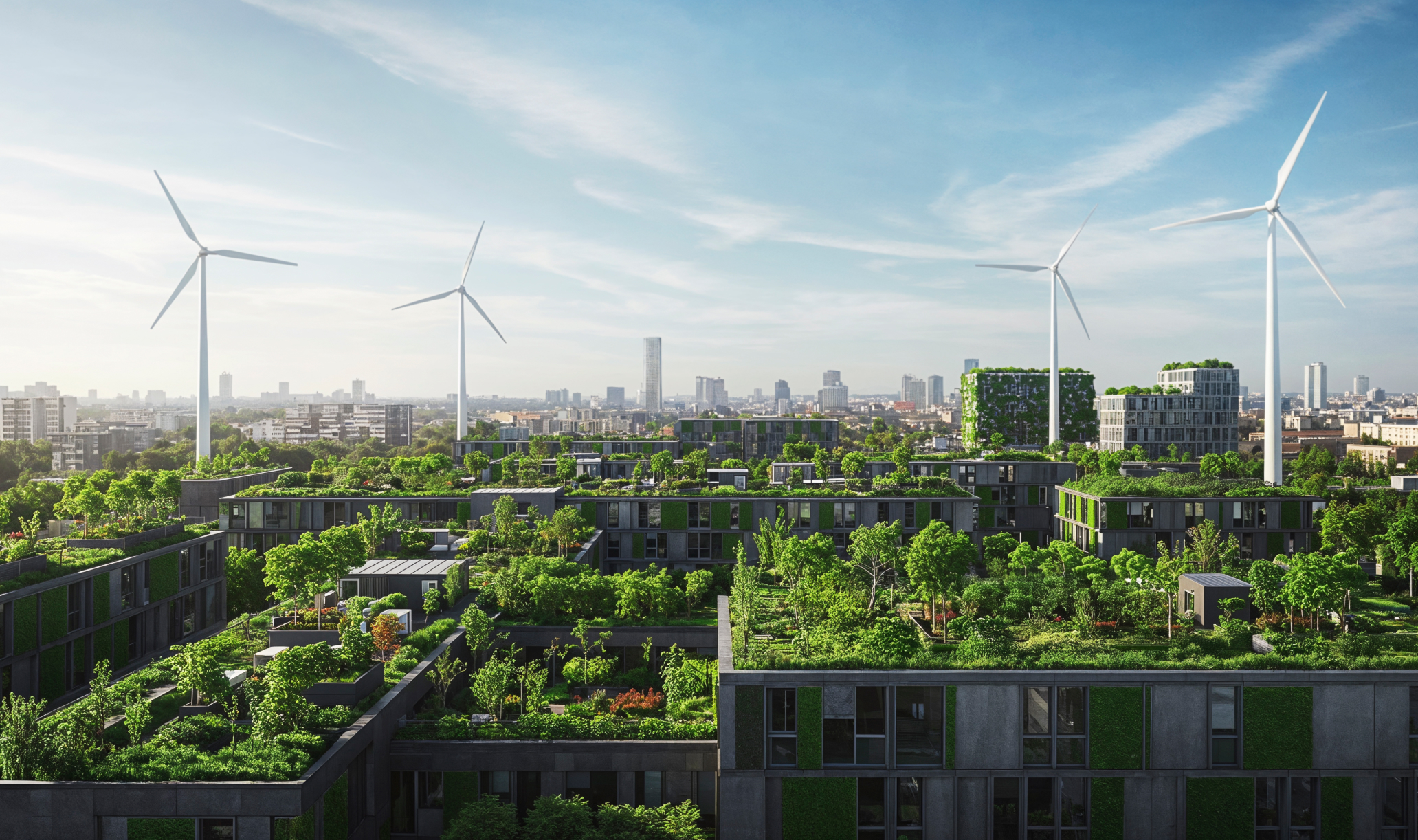
The definition of a smart investment is changing. True security is no longer found in locked boxes or fossil fuel reliance. It is found in sustainable, energy-efficient, and structurally sound real estate that enhances the quality of daily life while steadily building long-term financial security.
At Samved Group, we believe in building with purpose. By stepping away from the inefficiencies of the past and investing in forward-looking real estate, we aren’t just adjusting to the future—we are actively shaping it. Let us move our capital out of storage and put it to work where it can build a stronger foundation for the next generation.