
I integrated a turnkey gambling platform once, and the hard part wasn’t code—it was wiring game feed latency, retries, and auth across backend endpoints. I set up igaming backend integration, mapped player IDs, then tested game API integration with a strict timeout and logs.
In my test, a turnkey casino sites build cut launch prep by weeks; the biggest win is vendor-backed casino content integration via a fixed template. For teams exploring the fastest route to an online casino platform, you can review https://turnkeycasino.nl/ and confirm how the turnkey casino integration approach supports smooth rollout, partner onboarding, and reliable updates.
Cut prep time by 30 days.I’ve compared providers for B2B iGaming solutions; the goal is clean slot API integration and predictable payout/event feeds. For my use, slot game aggregator quality mattered as much as the number of titles.
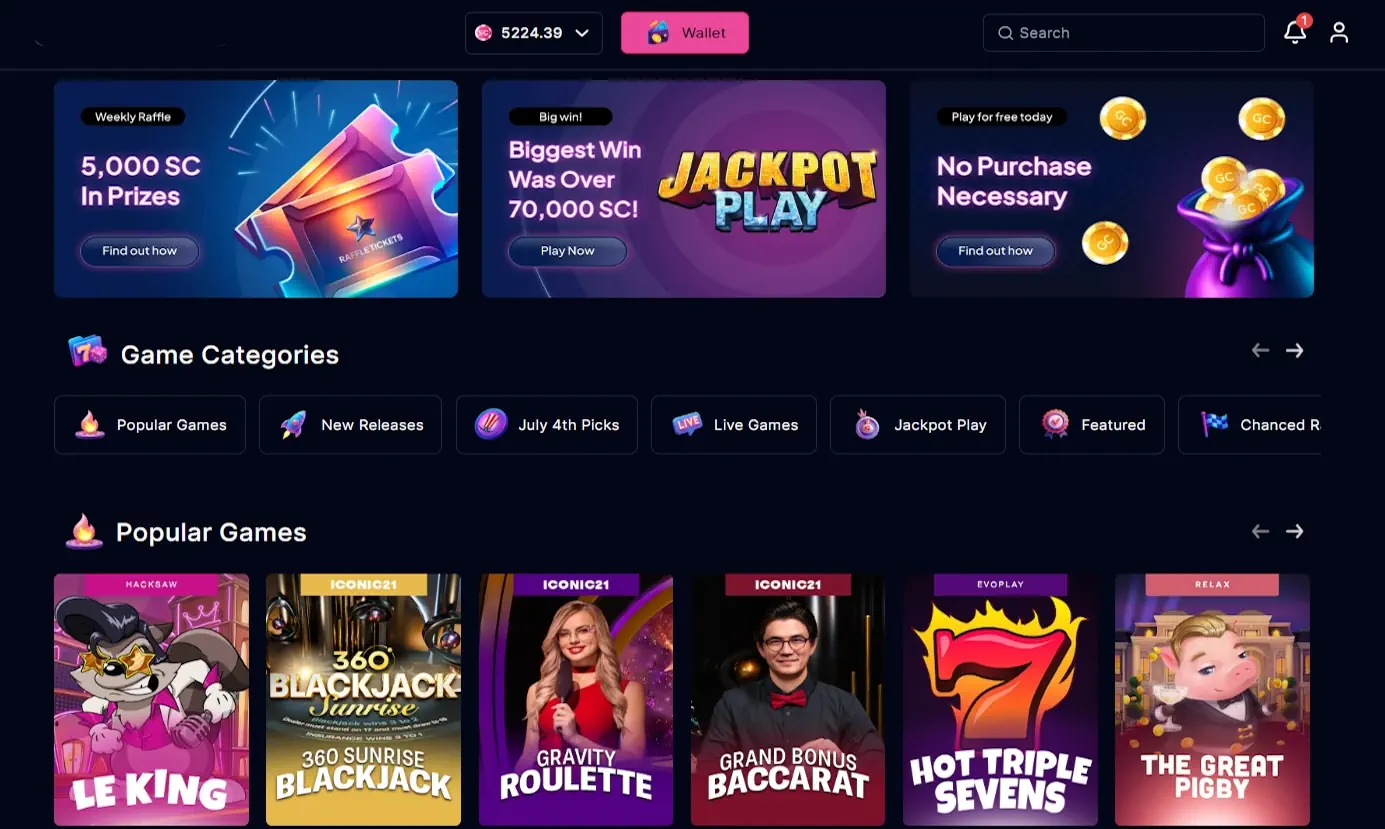
| Brand | Key specification | Price range | Your verdict |
|---|---|---|---|
| PlayStar | Multi-provider aggregation | $2k–$6k/mo | Good for fast slot coverage |
| SOFTSWISS | Casino platform modules | $3k–$10k/mo | Strong tooling, pricier |
| Relax Gaming | Content-rich slot provider | $1k–$5k/mo | Great slots, less orchestration |
| Pragmatic Play | High-volume slot supply | $1k–$4k/mo | Reliable game library |
In my casino software integration, the smooth part was the vendor SDK. The pain showed up in iGaming API integration: version drift and mapping casino content across CMS fields; 30-minute downtime was the first lesson.
I tested both paths for a new operator in 2025. White label iGaming platform needs heavier ownership, while turnkey casino web site hides real work behind templates; the right call depends on your team size and rollout timeline.
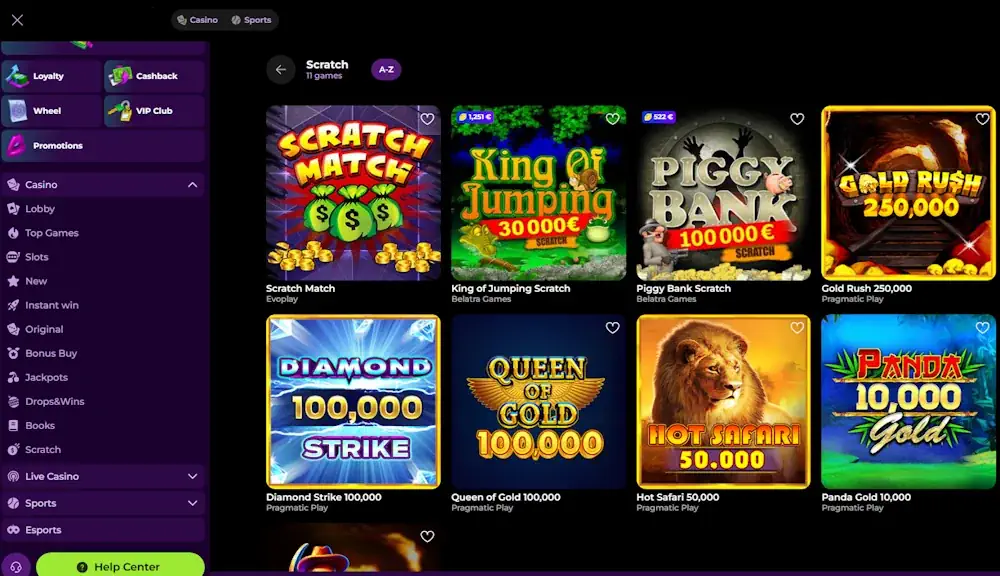
White label sells control; turnkey sells speed. If you can’t staff QA, pick turnkey and spend that time on marketing and promos.
When I connected a casino management system to multiple feeds, the hardest part was reconciling duplicated usernames. I ended up with strict field mapping and daily reconciliation checks that caught drift fast.
Hourly sync is my minimum.I handled payment gateway integration for casinos like a mini migration: start with test cards, then validate chargebacks, refunds, and KYC triggers. KYC/AML integration becomes painful when amounts, currencies, and limits live in different systems.
| Provider | Typical processing time | Fees (range) | Verdict |
|---|---|---|---|
| Adyen | Seconds–1 min | 1.5%–3.5% | Clean tooling |
| Stripe (high-risk review) | Instant | 2.9%+30¢ | Risk friction |
| Paysafe | Minutes | 2%–4% | Casino-native support |
| Worldpay | Seconds | 1.8%–3.8% | Good enterprise option |
My casino launch services checklist starts with 3 rounds of load tests and a 24-hour burn-in. After go-live, I watch Adyen webhooks, game API errors, and CMP sync drift; 24/7 monitoring for 72 hours saved us twice.
I built a b2b gaming platform with CRM integration first, then wired affiliate integration for iGaming. Onboarding partners is where scale hurts, so I standardize onboarding docs and automate payouts; 2-week onboarding target keeps affiliates moving.
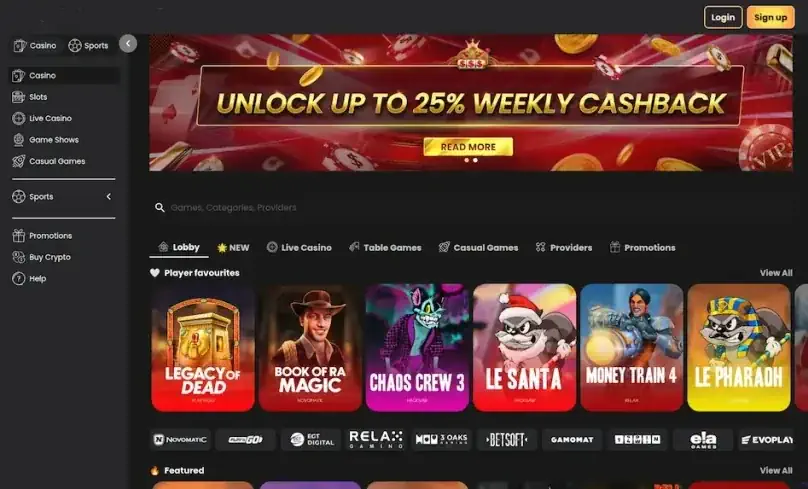
API casino integration and game feed mapping tend to bite first. In my tests, retries, auth, and CMS field drift caused the worst downtime.
For operators without a QA team, turnkey casino web site templates usually launch faster. I’d choose it again when rollout timelines are tight.
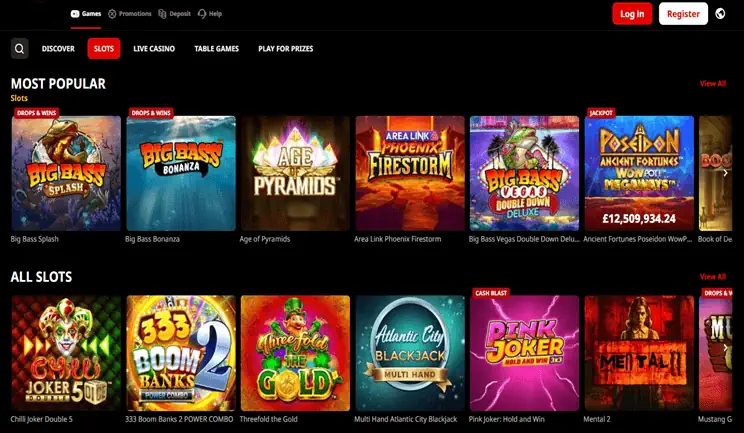
Make sure player IDs and session mapping match across CMP and providers. I rely on hourly sync and daily reconciliation checks.
They usually fail when limits, currencies, and triggers live in different systems. I test KYC/AML before going live to avoid surprises.
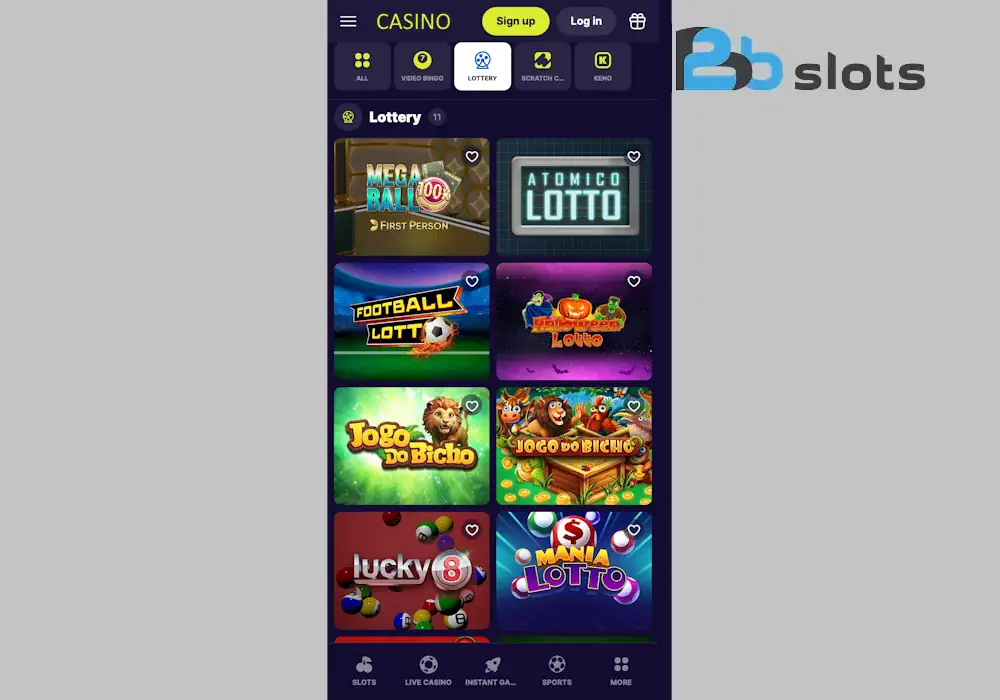
24/7 monitoring for the first 72 hours is the key. I watched Adyen webhooks, game API errors, and CMP sync drift closely.